
By Norbert Mao
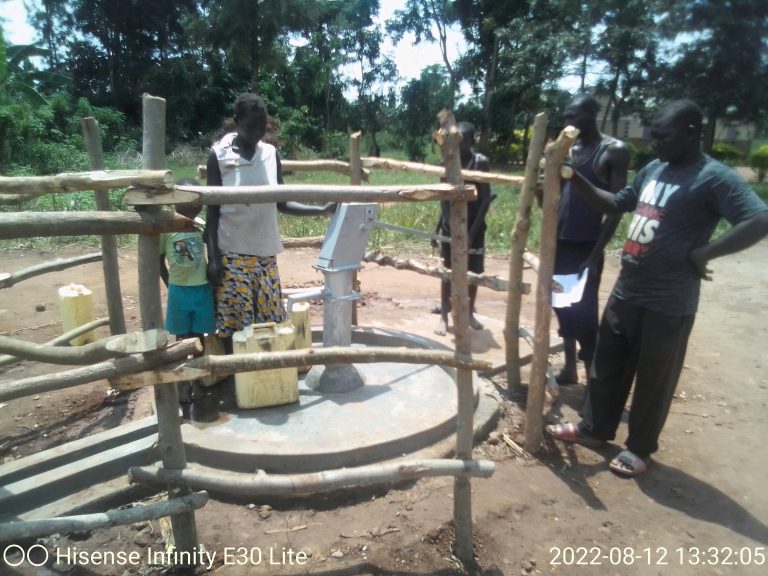
Residents of Unyama Sub-county in Gulu District have received a major boost in access to clean and safe drinking water following the construction of three protected well springs and a borehole aimed at improving hygiene and sanitation in the community.
The projects were implemented with support from Planet Changer, a non-profit organization dedicated to combating poverty and creating sustainable, long-term solutions in developing nations in partnership with Path to Empowerment Ministries, a Christian organization dedicated to offering Christ-centered values and compassionate support to meet the spiritual, emotional, and practical needs of individuals and communities.
The newly constructed springs, Wang Achan, Wang Abera, and Loyoboo spring are located in Angaya Parish, Unyama Sub-county, and will serve a total of 208 households in the surrounding communities.
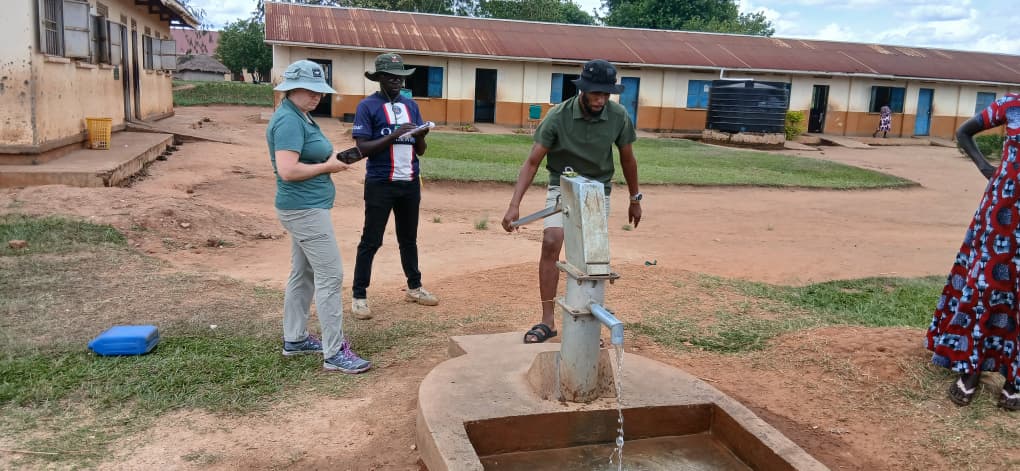
In addition, a borehole has been drilled at Coopil Primary School in Angaya Parish to provide safe drinking water to about 400 pupils and staff at the school.
The head teacher of Coopil Primary School, Acan Nighty, welcomed the development, saying the water project has greatly improved the welfare of learners noting that pupils previously had to cross the road in search of water, a situation that exposed them to danger and interrupted learning.
The Local Council, LC3 Chairperson of Unyama Sub-county, Kidega Justine, confirmed the development, saying the project is intended to ensure the community accesses safe and clean drinking water while promoting better hygiene and sanitation.
Speaking during the visit, Lena Baunegard, Director of Planet Changer said the organization has so far established about 141 water projects across Uganda and is committed to expanding its support to more communities, including those in Unyama Sub-county.
The delegation also visited Coopil Primary School where they donated over 70 Bibles, sports wears to Primary Seven learners and encouraged them to remain committed to their studies and seek guidance during their studies.
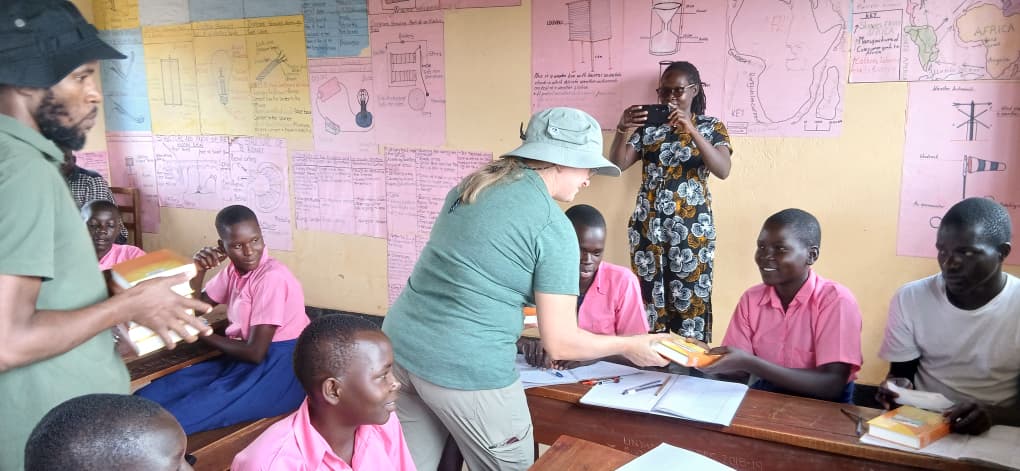
Leaders and partners also discussed continued collaboration focusing on school improvement, promotion of hygiene and sanitation in schools, installation of digital learning systems to enhance research studies, and further provision of clean and safe drinking water to communities.
Clean safe water coverage in Gulu District stands at approximately 59.2%, falling short of the 80% target, with about 728 domestic water points, although over 60 are considered abandoned, the major water points are spring wells, boreholes and rivers.