
Mega Fm & Agency
Five Gulu City officials are being investigated over allegations that they improperly included local leaders and their relatives among beneficiaries of the government’s cattle restocking programme. The officials were accused of influencing the identification, verification and approval of beneficiaries during an oversight meeting between Parliament’s Committee on Presidential Affairs and the Cattle Restocking Committee for the Acholi Sub-region held in Gulu City on August 11, 2026.
Those under investigation include the city’s Restocking Focal Point Person, Information Technologist and three Town Agents from different wards. The government allocated Shs80 billion in the 2025/26 financial year for the cattle restocking programme, targeting vulnerable households in Acholi, Teso and Lango sub-regions. The beneficiaries include elderly people, persons with disabilities, former abductees, unemployed and unskilled youth, widows, widowers, single people and women-headed households.
Gulu City received Shs3.32 billion to benefit 640 households. By August 10, 624 beneficiaries, representing 97 percent of the targeted number, had received the funds. However, the parliamentary committee, chaired by Ojara Martin Mapenduzi, the Bardege-Layibi Division MP, identified several irregularities in the beneficiary list, including repeated telephone numbers, allegedly false information, and individuals registering in different cells.
The committee also found allegations that some LC1 chairpersons had received the Shs5 million restocking grants despite not meeting the programme’s eligibility requirements. This prompted the committee to question Town Agents about the procedures they followed in identifying and approving beneficiaries.
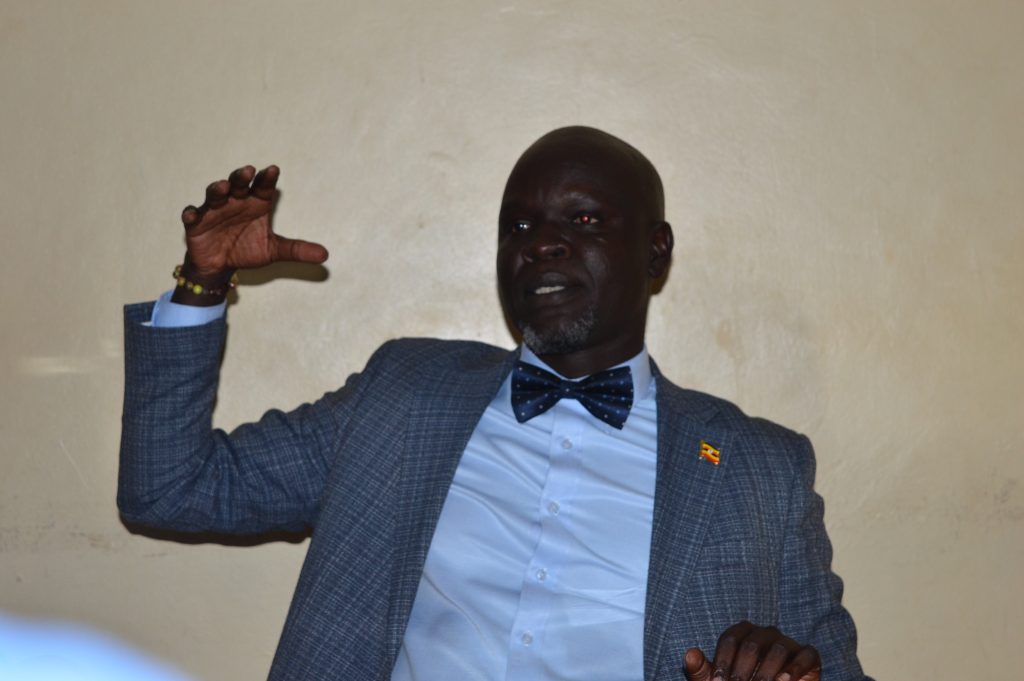
One Town Agent in Layibi-Teko Ward told the committee that community members had agreed to allow local leaders to select beneficiaries. However, this contravened the programme guidelines, which require communities to collectively identify households that should benefit.Cosmas Opiyo, the Town Agent for Kirombe Ward in Bardege-Layibi Division, admitted that he used some local leaders to identify beneficiaries. He also acknowledged including the LC1 chairperson of Pabbo Quarter after another beneficiary had been removed from the list.“That person who was supposed to be removed from the system was removed on that very day, and we also held a meeting to explain that the person was removed based on the guidelines given by the ministry. We then submitted the list to the division planning committee,” Opiyo said.
He said the final list of 20 beneficiaries for the ward was agreed upon after consultations with Parish Development Committees and submitted to Gulu City Council. Patrick Opiyo, the Principal Town Agent for Vanguard Ward, said some LC1 and LC2 chairpersons pressured him to include them among the beneficiaries after initially being removed from the list.
He said some of the leaders threatened to stop cooperating with Town Agents if they were excluded. “Two of the LC1 chairpersons got the money. They involved themselves, and when they came to the division, the team removed them from the list. Later, they became very arrogant that at a later time they were not going to work with the Town Agents. So, we were again requested to include them to ease our work at the ward,” he said.
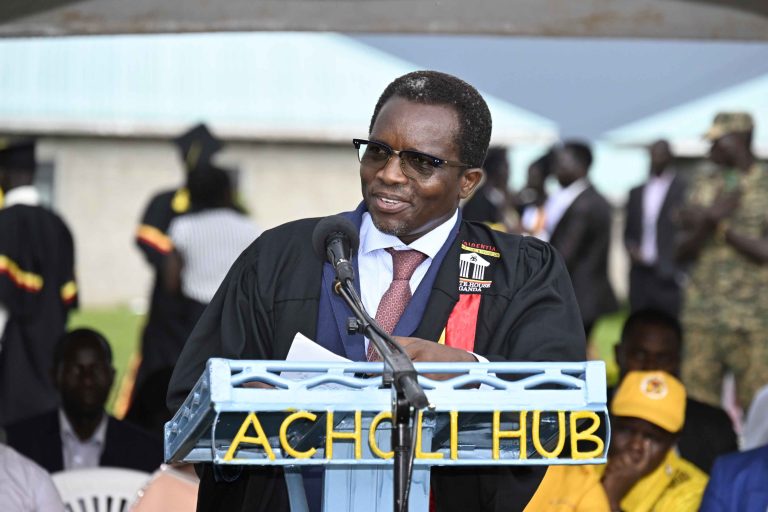
Mapenduzi expressed concern that some local leaders had prioritised themselves and their relatives instead of vulnerable community members. “By the end of the restocking programme, every household is expected to have been paid, including the leaders, because they come from households. But it is unjust for you as a leader to think that when a programme comes, you register yourself, you register your daughter, you register your wife. The requirement here is one member per household, not two members,” Mapenduzi said.
Gulu City Mayor Acire Julius Labeja said the findings raised serious concerns about the implementation of the programme and that the city would await the outcome of the investigations. He said the city administration would strengthen transparency and accountability in the implementation of government programmes. “All our teams within the city should begin to clean up now. We have adopted an approach in the city to work together, to be transparent, to be committed, to be diligent,” Labeja said.
He added that the outcome of the investigations by the Criminal Investigations Department (CID) could inform further action against the officials involved. The five officials directed to record statements with CID are John Charles Luwaa, the Restocking Focal Point Person; Ochola Baker, the City Information Technologist; Atoo Lilly Opiyo, Town Agent for Kasubi Ward; Cosmas Opiyo, Town Agent for Kirombe Ward; and Patrick Opiyo, Town Agent for Vanguard Ward.
The committee also raised concerns over implementation of the cattle restocking programme in Omoro District, particularly Palenga Sub-county, and parts of Gulu District. The areas were reported to have cases of alleged ghost beneficiaries, multiple beneficiaries from the same household, and falsified information.
Mapenduzi directed that the reported irregularities also be subjected to investigations. Meanwhile, the committee commended Nwoya, Amuru and Agago districts for what it described as satisfactory implementation, saying their reports did not reveal similar suspicious cases.