
Agency
A section of Religious leaders in the Acholi Sub-region has condemned the violence and intimidation that marred the campaign visit of National Unity Platform (NUP) presidential candidate Robert Kyagulanyi Ssentamu in Gulu City, saying the actions reflect a deeply uneven political environment ahead of the 2026 general elections.
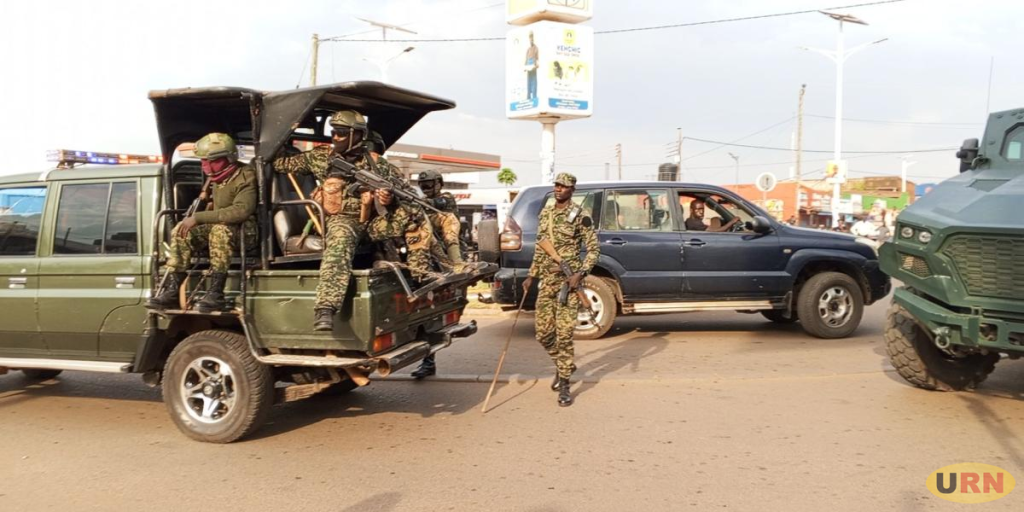
Their concerns follow chaotic scenes on Saturday when groups of youth attacked traders, vandalized property, and assaulted some supporters of Kyagulanyi while security forces allegedly looked on.
Similar incidents were reported earlier in Anaka Town Council in Nwoya district on Friday, where Kyagulanyi was blocked from addressing supporters by a group of youth donning NRM yellow T-shirts.
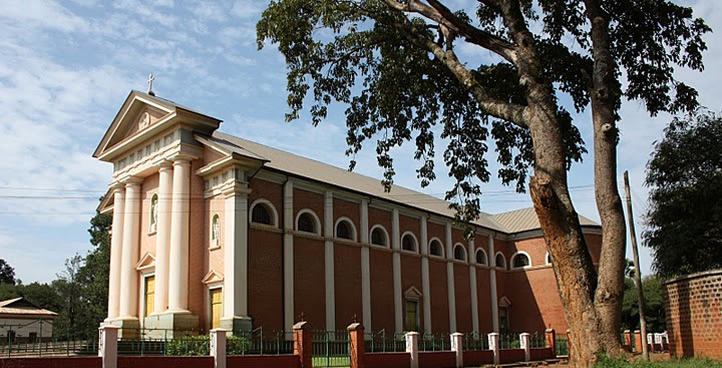
Speaking during Sunday Mass at Holy Rosary Parish in Gulu City through the church’s online media platform, Holy Rosary Parish TV, Rev Fr Eric Uma, one of the region’s outspoken clerics, condemned both the violence and the conduct of security agencies.
Fr. Uma said the events in Anaka and Gulu were very “dark moments” for the Acholi Sub-region and a sign of growing “political intolerance”.
“Something dark happened in our world. In Anaka, they stopped presidential candidate Bobi Wine from speaking, from campaigning. Yesterday (Saturday, December 6), it happened here in Gulu City very bad things…” said Fr. Uma.
Adding “Our own children were incited to break shops, to wreak havoc. Some inflicted injuries on those who went to listen to Bobi Wine. The soldiers and police looked on.”
He faulted security leadership in Acholi, whom he accused of fueling divisions and allowing the region to be used as a stage for political hostility.
Fr. Uma questioned why security forces in Acholi would block Kyagulanyi so aggressively when he has campaigned peacefully in other regions in the Ankole region, including Mbarara, a home region of President Museveni, without similar restrictions.
“Bobi Wine went and conducted a campaign at the home of Museveni, but they didn’t put mambas and guns to stop him. Why do they do it in Acholi?” he asked.
He further condemned the involvement of local youth in looting and politically motivated violence, warning that such actions threaten the unity of Uganda’s diverse communities.
“Some of our children were looting shops belonging to the Baganda in Gulu City. How many Acholi have businesses in Kampala? How many Acholi children study in Kampala? And we accept our children to be used like this?” he said.
The priest cautioned that the manipulation of Acholi youth into acts of violence risks branding the region negatively.
“Do we want Acholi to be known as a tribe with a bloody horn, a tribe of bad luck? We accept being sent to commit crimes in broad daylight. You even record yourselves and circulate it on social media, saying you will hack someone,” he said.
Fr. Uma also delivered a direct message to President Museveni, saying the violence witnessed in Acholi contradicts the democratic values he once fought for.
“The head of state went to the bush in the 1980s because he was not satisfied with the election. He was not pleased with the injustice. What happened yesterday (December 5, 2025) has surpassed what happened then,” said Fr. Uma.
Adding “If your votes get destroyed, know that it is the people working with you who are destroying them by accepting intimidation and violence.”
Other religious leaders have also raised similar concerns, calling for security agencies to act impartially and ensure that all presidential candidates enjoy equal access to voters.
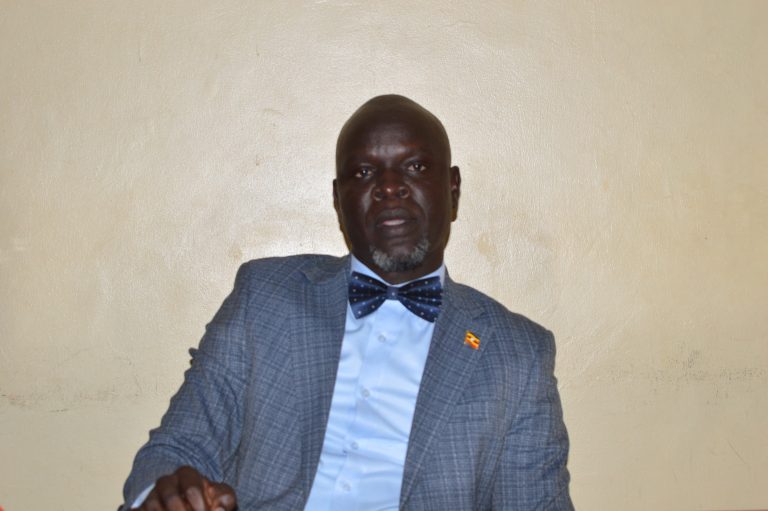
Rt Rev Godfrey Loum, the Northern Uganda Diocese Bishop, told Uganda Radio Network in an interview that what happened is “unacceptable and terrible” and urged the government to provide accountability.
Bishop Loum questioned why security agencies failed to protect both people and property during the chaos.
“Our security people are supposed to provide security for the people and their property. If people lose property when security personnel are on watch, then that is not good. What happened is terrible; it’s unacceptable because the government is supposed to provide security for its people, and this was not the case.” Said Bishop Loum.
The Bishop noted that the timing of the violence raises serious questions.
“Are these goons? Are these people sent by the government? Why haven’t they done something like this before? Why do they do it when a presidential candidate is around?” he asked.
He urged the government to ensure equal treatment for all presidential candidates, arguing that it would be strange if some people were given a platform while others were denied.
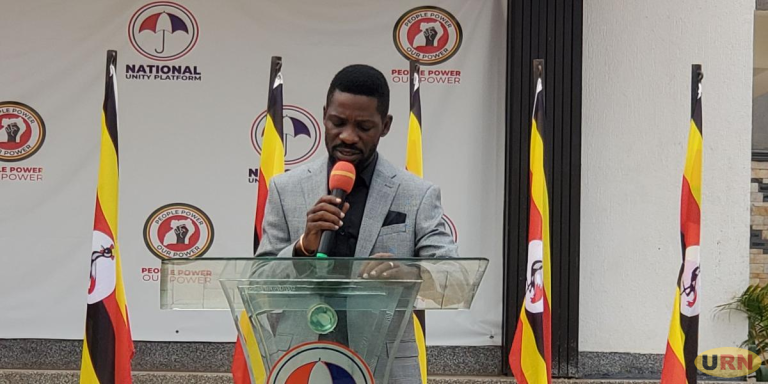
Kyagulanyi, in his campaign message, accused the police of purposely targeting him during his campaign and challenged the Electoral Commission to speak out about the security arrangement.
Uganda is set to hold a presidential election on January 15, 2026. Kyagulanyi is among the eight presidential candidates nominated for the race seeking to end the nearly 40-year rule of President Yoweri Museveni, who came to power through a coup in January 1986.
Kyagulanyi lost the 2021 elections to Museveni, garnering 35.08 percent votes against Museveni’s 58.38 percent votes.