

By Editorial
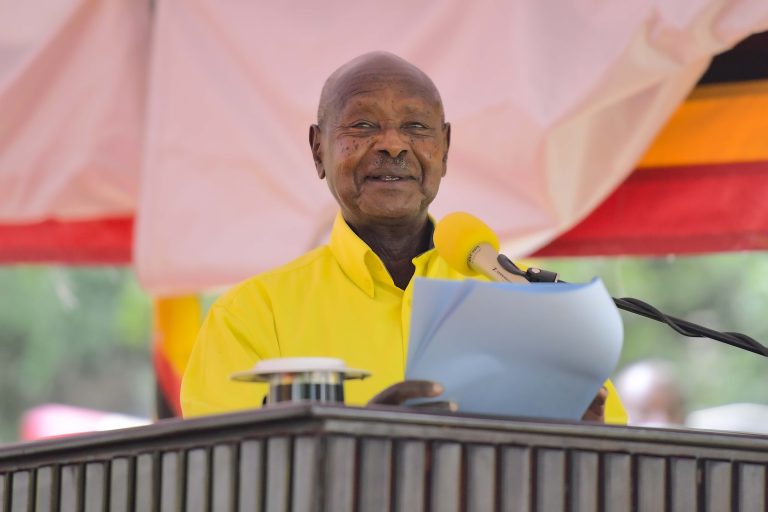
President Yoweri Kaguta Museveni has underscored the role of education and skilling the girl child in empowering women and the entire society.
According to the President, when the National Resistance Movement (NRM) came to power, it fought the suppression of women and other groups that faced marginalisation on account of cultural and historical factors.
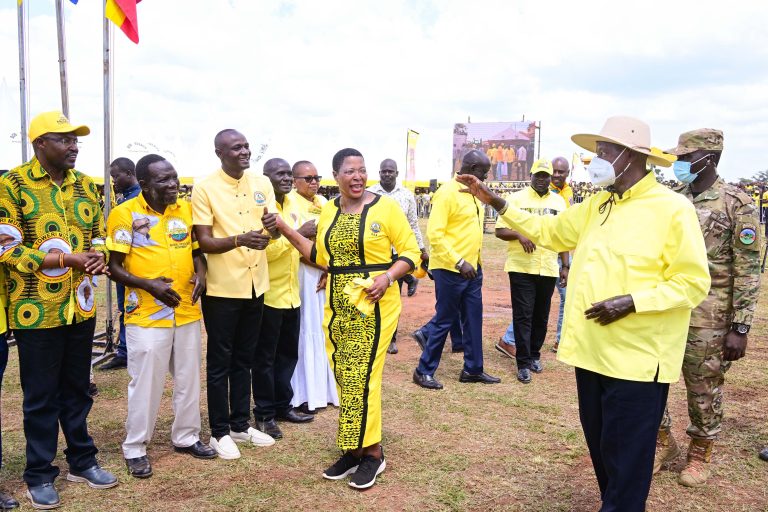
President Museveni who was represented by the Vice President, H.E Jessica Alupo made the remarks while officiating at the International Women’s Day celebrations at Kololo Ceremonial Grounds.
The celebrations ran under the theme: “Scaling up investments to accelerate access to justice for all women and girls in Uganda”.
The President explained that in 1986, the NRM government observed that although women formed more than 50 percent of the total population of 14 million Ugandans at that time, their full potential was not realised on account of their education, lack of opportunities, chronic health and early death.
He noted that when the government introduced free education for all, those who benefited in a special way were the girls because they were the ones who were kept at home in the past as the resources were concentrated on boys.
President Museveni described the annual celebration as a moment to recognize the role women play in national development.
President Museveni also highlighted measures introduced to increase women’s participation in leadership, including affirmative action policies such as the additional 1.5 points awarded to girls seeking admission to university and reserved parliamentary seats for women.
He recalled the role women played during Uganda’s liberation struggle, describing them as resilient and dependable.
The President also highlighted legal measures aimed at protecting women and girls from violence and harmful cultural practices.
He added that the government has actively fought practices that undermine women’s dignity, including female genital mutilation, early marriages, and domestic violence.
Beyond legal reforms, Museveni stressed that poverty eradication and wealth creation remain central to improving the lives of women.
Speaking at the same event, the Minister of Gender, Labour and Social Development, Betty Amongi, said Uganda has made notable strides in advancing women’s empowerment but must continue addressing persistent inequalities.
She praised the resilience of Ugandan women, particularly those in rural communities who support families and sustain livelihoods.
Amongi highlighted a range of government programs aimed at strengthening women’s economic independence, arguing that financial empowerment enables women to challenge discrimination and protect their rights.
Among the key initiatives she cited were the Uganda Women Entrepreneurship Programme, the Youth Livelihood Programme and the Generating Growth Opportunities and Productivity for Women Enterprises (GROW) project, which supports women entrepreneurs seeking to expand their businesses.
She also pointed to the impact of the Parish Development Model (PDM), noting that the government had deliberately reserved a share of the funds for women.
The minister also highlighted legislative reforms aimed at strengthening women’s rights, including the Equal Opportunities Act, the Domestic Violence Act and the Succession (Amendment) Act of 2022.
She added that the law now allows families to designate daughters as heirs. “In the old law it was only the heir. Now it is heir or heiress. So if somebody dies, you can even leave your daughter as your heiress,” she said.
Despite progress, Amongi acknowledged that women continue to face challenges, particularly in the justice system when dealing with gender-based violence cases.
She also pointed to harmful cultural practices such as child marriage and female genital mutilation that persist in some communities despite legal prohibitions. “These cultural norms are still persisting and require us to do much more,” Amongi said.
The Vice President Alupo also launched key national strategies aimed at strengthening protection for women and girls, including the Second National Action Plan on the Elimination of Gender-Based Violence (2026–2031) and other gender equality initiatives.
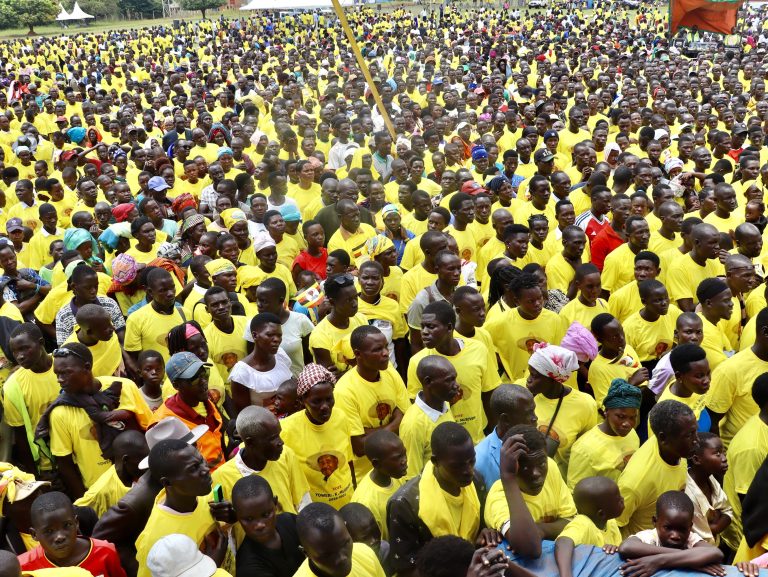
The event brought together government leaders, diplomats, civil society organizations, and women leaders from across the country, reaffirming Uganda’s commitment to advancing gender equality and improving access to justice for women and girls.