

Mega Fm & Agency
Children who survive severe malaria can experience lasting difficulties with cognitive ability and mathematics, years after recovering from the infection, according to a 2026 study published in the Journal of the American Medical Association.
The study, which followed 889 participants, found that survivors of childhood cerebral malaria or severe malarial anaemia had lower overall cognitive ability and mathematics achievement scores than children from unaffected communities when assessed four to 15 years after the illness.
However, researchers found no significant differences in reading or attention scores, suggesting that the long-term effects of severe malaria may vary across different areas of cognitive and academic performance.
The findings add to growing evidence that the burden of malaria extends beyond the immediate risk of illness and death, potentially affecting children’s learning, development and quality of life long after they have recovered.
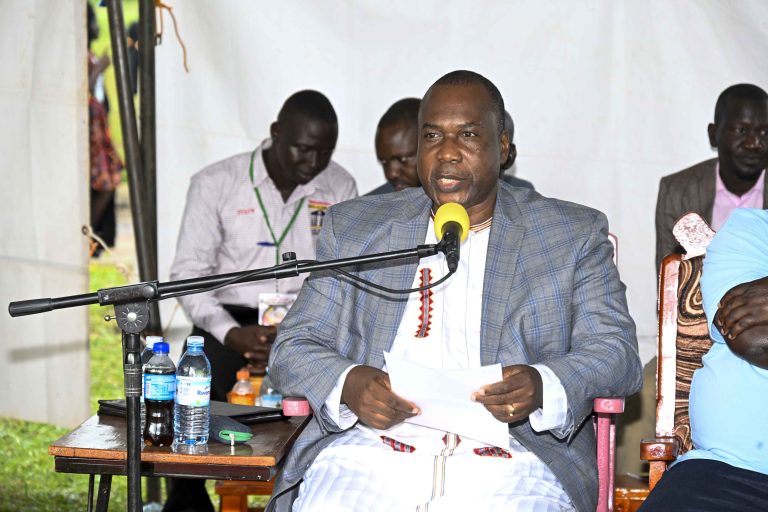
Dr Paul Bangirana, a researcher at Makerere University who co-authored the study, has spent more than two decades investigating the neuropsychological consequences of childhood malaria.
For families affected by severe malaria, the consequences often extend beyond the child’s physical recovery, disrupting education, household income and family responsibilities.
The World Health Organisation estimates that the continent accounted for 94 per cent of malaria cases and 95 per cent of malaria deaths worldwide in 2024. Children under five accounted for three-quarters of malaria deaths in the African region.
While reducing deaths remains the immediate priority, evidence of possible long-term consequences among survivors points to the need to consider the effects of severe malaria on childhood development, education and family wellbeing.
The emerging evidence on the long-term effects of severe malaria adds another dimension to the case for strengthening prevention efforts across Africa.
Beyond preventing hospital admissions and deaths, reducing severe malaria episodes may also help avert some of the cognitive, behavioural, educational and quality-of-life difficulties associated with the disease.