

Mega Fm & Agency
The Uganda People’s Defence Forces (UPDF) will withdraw its troops from Lubero Town in the eastern Democratic Republic of Congo and hand over security to the Congolese army, FARDC, amid growing diplomatic tension between Kampala and Kinshasa over the security situation in the region.
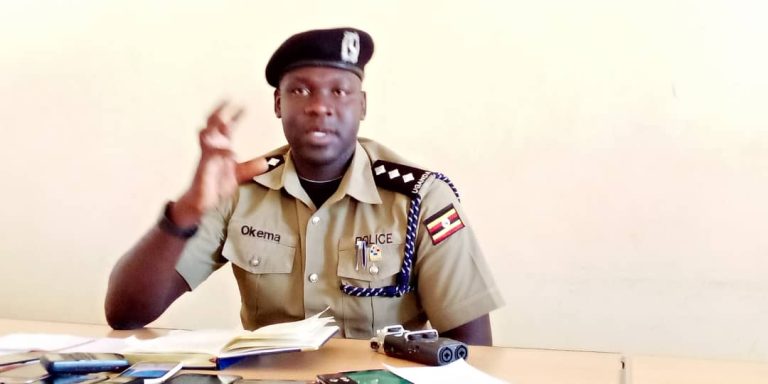
The Acting Director of Defence Public Information, Col. Chris Magezi, said the withdrawal will begin in the next two weeks.
The UPDF was deployed to Lubero, North Kivu Province, in January 2025 to pursue Allied Democratic Forces (ADF) remnants fleeing pressure from joint military operations in North Kivu and Ituri provinces.
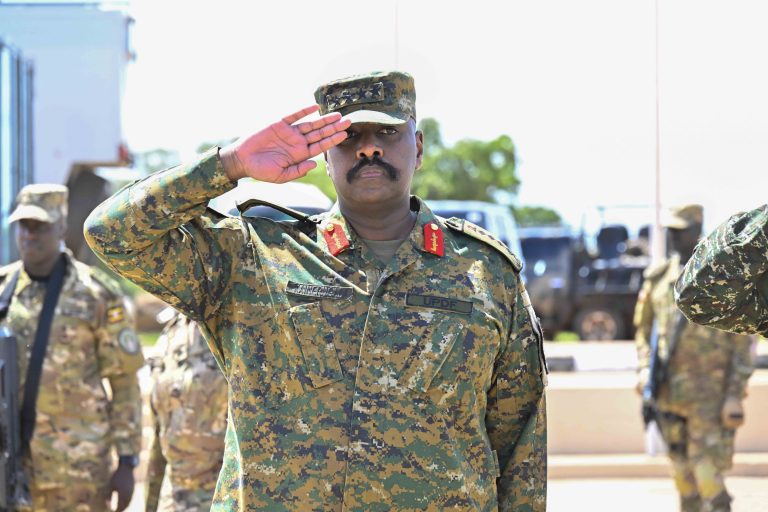
The withdrawal comes as the DRC Ministry of Foreign Affairs in Kinshasa has reportedly summoned Uganda’s Ambassador to explain recent statements by the Chief of Defence Forces, Gen. Muhoozi Kainerugaba, who is also the Senior Presidential Advisor for Special Operations, on the security situation in eastern DRC. The remarks are said to have angered Kinshasa.
Kainerugaba had backed the takeover of Walikale by the military-political faction, FRN, in eastern DRC and said the UPDF was ready to pursue ADF leader Musa Baluku to his hideout in Isiro, Haut-Uele Province. This was reportedly seen by Kinshasa as an open endorsement of a rebellion fighting FARDC and as a threat to Congolese sovereignty after Muhoozi warned that Uganda would take the Walikale area itself if FRN delayed.
Despite the impending departure from Lubero Town, Kampala maintains that its broader counter-insurgency mission remains active, having conducted routine troop rotations under Operation Shujaa in mid-November without announcing an end date for the campaign.
Magezi insisted that joint offensive operations between UPDF and FARDC were still ongoing, saying mounting pressure had forced the ADF to splinter into small groups and flee deeper inland.
“Working with FARDC, the UPDF remains resolved to pursue ADF remnants and their leaders wherever they take refuge, including in Isiro. This understanding is captured in our Memorandum of Understanding (MOU) of Operation Shujaa.” Magezi said.
In November 2021, Uganda and the DRC launched the combined military offensive against the ADF and other negative forces in the region to degrade and destroy their ability to destabilise the region. The ongoing joint offensive is codenamed ‘Operation Shujaa ‘.
The UPDF also said other negative armed groups are operating in the region, including what it described as government-allied militia forces such as the Wazalendo.
According to the army, the militia forces have increasingly mounted attacks against vulnerable communities, massacring women and children, such as the Bahema and Tutsi communities in Ituri and North Kivu.
“Under International Humanitarian Law (IHL), the UPDF retains the responsibility to extend protection to such vulnerable communities and will continue to do so whenever possible.” Col. Magezi said.
The army said Uganda fully supports a peaceful resolution of the conflict in eastern DRC among the contending armed groups and the DRC government.”We will not support or facilitate foreign mercenary forces that work with violent militia groups to terrorize vulnerable communities in eastern DRC,” he added.
Uganda’s military presence in eastern DRC, now in its fifth year under Operation Shujja, has evolved from a targeted offensive against the ADF into a broader and more politically sensitive deployment.
While Kampala maintains that the operation is conducted jointly with FARDC and is anchored in a bilateral Memorandum of Understanding, the latest developments the planned withdrawal from Lubero, the diplomatic friction over Gen. Kainerugaba’s remarks, and the accusations over militia activity and civilian protection underline the growing complexity of the mission.