
By Tolit Ivan
Gulu City Education Department has once again reiterated it threats to crack the whip on schools, shunning, reducing, or neglecting co-curricular activities, a reiteration that has never been implemented since Gulu was elevated to a municipality in 1977 under the Urban Authority Act of 1964.
Co-curricular activities are school-sanctioned, often credit-based, programs that complement academic curricula to foster holistic development.
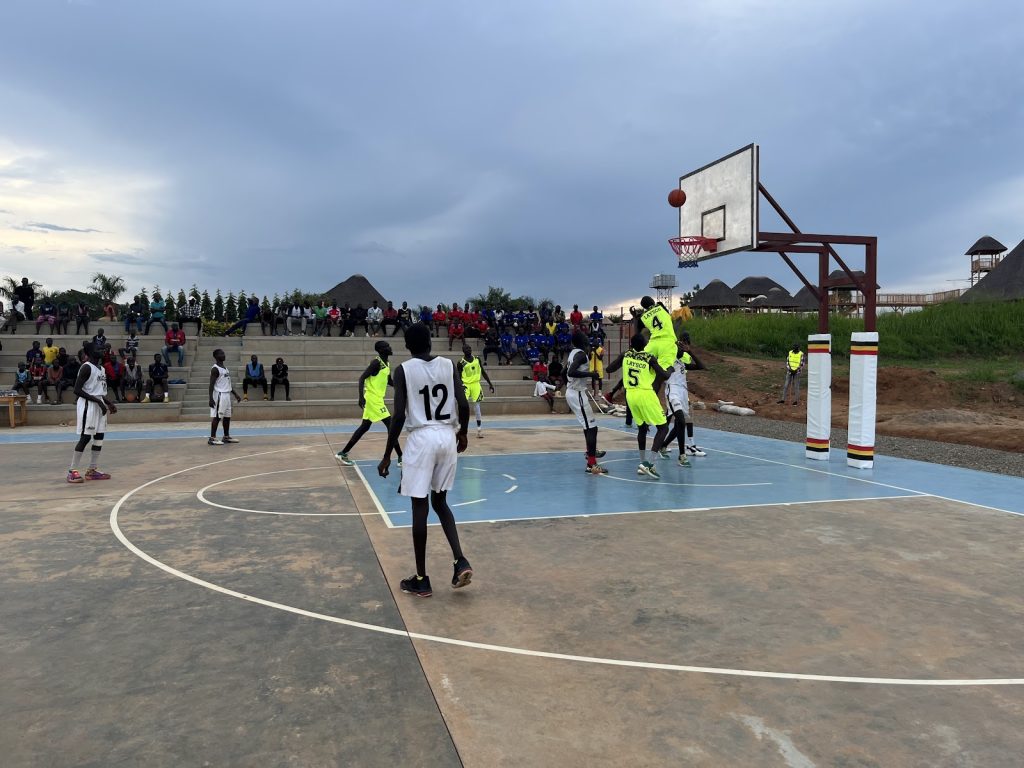
Key examples include sports (football, basketball), performing arts (dance, drama, music), academic clubs (debates, robotics, coding), leadership roles (student council), and community service.
Gulu city has 220 private learning institutions and 51 government aided learning institutions.
Despite government directives, many private schools in Uganda are shunning, co-curricular activities to focus exclusively on academics, often due to limited funding, lack of playgrounds, and excessive classroom time.
Addressing journalists on Monday during the release of the Gulu City co-curricular calendar, Robert Okot, the Gulu City Sports Officer, warned schools against neglecting co-curricular activities, emphasizing that Circular No. 7/2025 mandates participation in sports, arts, and student leadership for holistic learner development.
According to Okot, co-curricular activities play a vital role in nurturing learners’ talents, promoting teamwork, discipline, fosters holistic development, improving academic performance, mental health, and social skills, something all schools whether government or private must take seriously.