
Agency
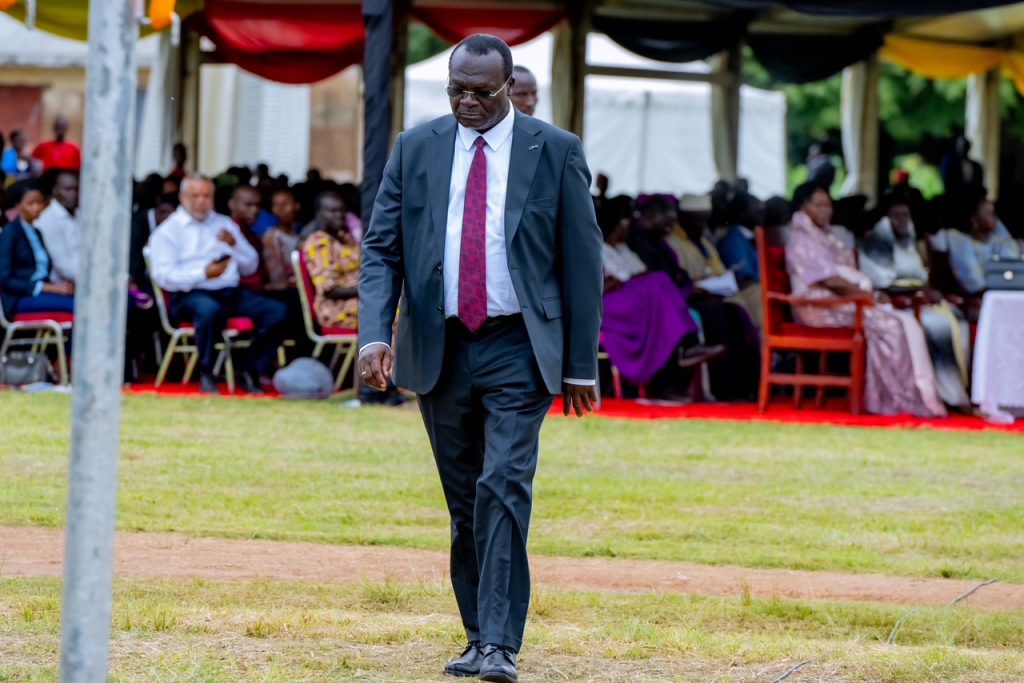
Chief Justice Emeritus Alfonse Owiny-Dollo is asking the almighty God to grant him just 30 years so that he can promote Alternative Dispute Resolution (ADR) to maturity. By that time, when he would be a hundred years old, he believes everyone in the country will be able to access justice, unlike today when the judicial institutions are overwhelmed.
ADR is the community based justice system that focuses on mediation, which Justice Owiny Dollo has been promoting passionately. He has in fact also called for an increase in the judiciary budget specifically dedicated to Alternative Dispute Resolution, saying stronger financial support is necessary to expand community-based justice systems and improve access to justice across Uganda.
Owiny-Dollo said enhancing funding for ADR would support mediation initiatives, community dispute resolution committees and accreditation of mediators who help settle conflicts before they escalate into lengthy court battles.
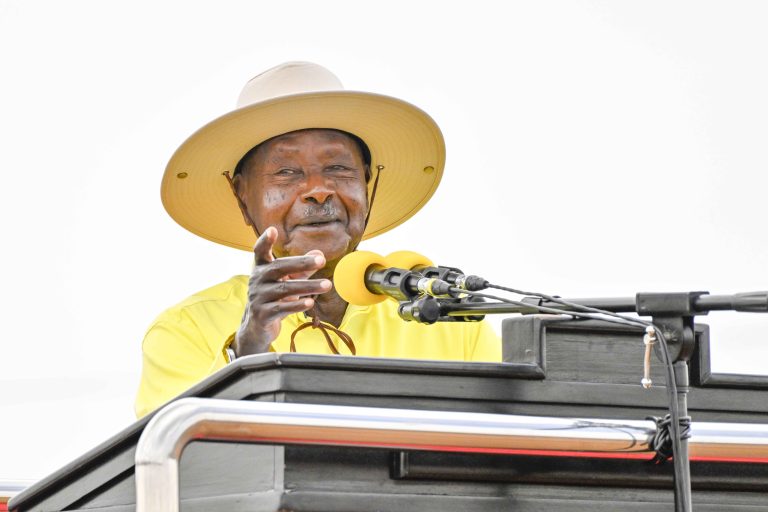
He revealed that while his predecessor Dr Flavian Zeija was taking oath in Kisozi Farm, he told President Yoweri Kaguta Museveni to appreciate him for the years he has worked in the Judicial Service.
According to Owiny-Dollo, the best way he could be appreciated is to increase the budget to consider boosting the judiciary’s allocation for ADR as a way of strengthening access to justice.
The current Judiciary budget for the Financial Year 2025/26, is UGX 614.99 billion. But to Owiny-Dollo, ADR funding should remain protected even during periods of budget cuts because the system has the potential to transform justice delivery in the country. He added that shifting financing for Alternative Justice Systems (AJS) from donor support to the Government of Uganda budget would also address concerns about fiscal autonomy and ensure sustainability.
Owiny-Dollo said he wants God to give him more 30 years to make it 100 so that he continues to push for ADR, saying that the next five years will define the sustainability of Alternative Justice Systems, which he said are expected to reshape Uganda’s justice landscape through decentralization and community participation.
He explained that the judiciary’s strategic plans prioritize scaling alternative justice mechanisms across judicial circuits so that disputes can be resolved closer to communities rather than relying solely on formal court processes.
The former Chief Justice also urged a shift in mindset within the justice system, saying judicial officers should guide litigants toward the most appropriate dispute resolution forums such as mediation, negotiation or reconciliation rather than automatically resorting to adversarial litigation.
He emphasized that building the capacity of religious leaders, cultural leaders and community mediators through training will be essential in strengthening mediation and conflict resolution while ensuring that decisions reached through alternative justice systems respect constitutional values and human rights rather than simply punishing offenders, noting that a sustainable justice system should help communities move forward after disputes are resolved.
Owiny-Dollo made the remarks on Tuesday while speaking at the Second Day of GUMZO-LA ADR Conference in Kampala, which has brought together ADR Practioners across Africa and judicial officers to discuss ways of strengthening ADR and promote regional integration. GUMZO is a Kiswahili short form word to mean Dialogue.
Speaking at the same event, the Justice and Constitutional Affairs Minister Norbert Mao said the judiciary’s Alternative Justice Systems strategy represents a major shift in how justice is delivered in Uganda.
Mao described the strategy as a comprehensive approach to justice rather than a temporary measure, explaining that it seeks to address disputes beyond the formal courtroom by recognizing the many systems communities already use to resolve conflicts.
He said the initiative was launched under the leadership of Owiny-Dollo and is anchored in Article 126 of the Constitution, which requires that justice be administered in accordance with the values and aspirations of the people of Uganda.
According to Mao, the strategy was developed through an ad hoc committee appointed by the Chief Justice that included judicial officers, legal experts and policy advisors tasked with guiding the judiciary on the integration of alternative dispute resolution mechanisms.
He said the approach recognizes that many disputes are already resolved outside formal courts through religious institutions, mediation services and community structures.
Mao also emphasized the importance of building capacity among mediators and practitioners, noting that mediation requires specialized skills and cannot be left to untrained individuals.
He added that the Ministry of Justice and Constitutional Affairs is working on developing legislative and regulatory frameworks to support Alternative Justice Systems and strengthen linkages between the judiciary and institutions that practice mediation.
On her Part, Principal Judge Jane Frances Abodo said strengthening Alternative Justice Systems will help reduce the heavy caseload currently facing the judiciary.
Abodo revealed that as of December 2025 the judiciary had a pending caseload of more than 190,000 cases, with over 100,000 of them before courts of record.
She said strengthening community-based dispute resolution mechanisms could divert appropriate matters such as family disputes, land conflicts and minor commercial disagreements away from courts and toward community-led mediation forums.
Abodo described alternative justice systems as deeply rooted in African traditions that prioritize reconciliation, consensus and healing rather than punishment.
She said such systems are widely accepted in communities and can help bridge the gap between formal courts and the society they serve.
Abodo added that the judiciary’s Alternative Justice Systems strategy aims to harmonize informal dispute resolution with constitutional principles while extending justice services to remote and marginalized communities.
Justice Andrew Khaukha, the Executive Director of the Judicial Training Institute (JTI) and Focal Judge for Alternative Dispute Resolution, noted that mediation should not be mandatory but rather undertaken voluntarily by parties.
He explained that mediation works best when it is driven by the free will of the parties involved. According to him, instead of making mediation compulsory, it could be introduced after about 60 days in the court process, similar to other procedural timelines within the judicial system.
Justice Prof. Khaukha emphasized that allowing parties time before mediation is introduced may encourage more genuine participation and improve the chances of reaching mutually agreeable settlements.
Cultural and religious leaders also expressed support for the expansion of mediation and community-based dispute resolution.
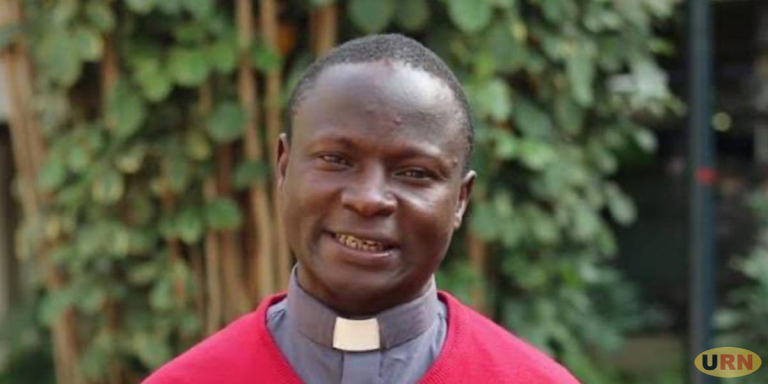
The Anglican Bishop of Kitgum Diocese, Wilson Kitara said mediation allows communities to examine conflicts more deeply and reach voluntary agreements that promote peace.
Kitara, who has previously served as a mediator and said he was once a witness in Court, said alternative dispute resolution provides an opportunity for parties to acknowledge mistakes and reconcile without escalating tensions.
Jude Ogik, a lawyer and cultural leader Rwot -Okol said many disputes particularly land conflicts create long-standing hostility between families when handled solely through courts.
He noted that court injunctions on contested land often prevent families from using their land for years, which can worsen poverty and deepen divisions.
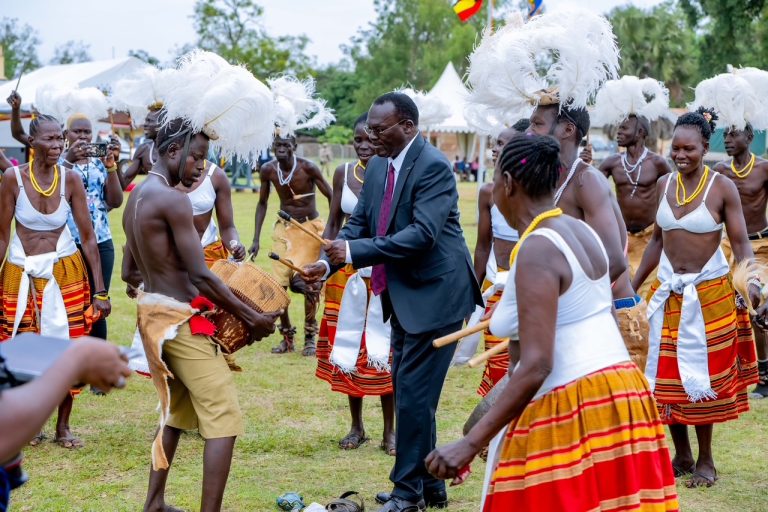
According to Ogik who was last year installed as a king after 115 years without a king in his community, said cultural leaders are well positioned to mediate disputes because they understand community histories and relationships, enabling them to guide parties toward compromise and reconciliation.
Meanwhile, the Deputy Mufti Muhammad Ali Waiswa said alternative dispute resolution reflects long-standing traditions within African societies and religious communities.
Waiswa said ADR mechanisms are particularly important in Uganda where many citizens cannot afford lengthy court processes, adding that religious institutions are ready to collaborate with government and the judiciary to promote mediation and reconciliation initiatives.
Equally, Christopher Bwanika the Attorney General of Buganda Kingdom welcomed the ADR saying that it gives the real justice to the people as opposed to Adversarial justice.