
Agency
Leaders from civil society organizations (CSOs), and political circles in Acholi Sub-region have criticized the Protection and Sovereignty Bill, 2026, warning that it could undermine economic recovery in the sub-region.
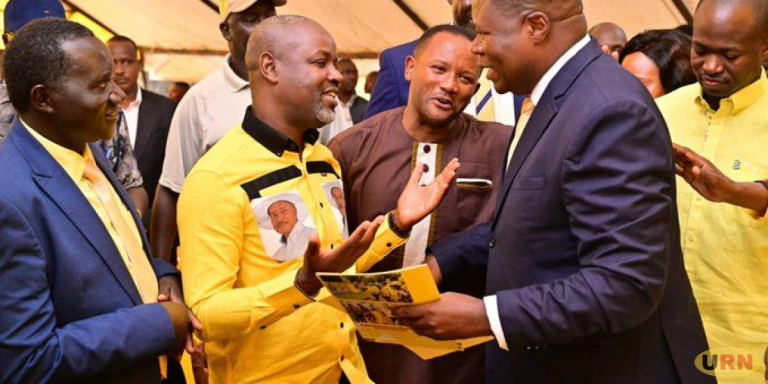
The leaders voiced their concerns on Tuesday during a stakeholders’ engagement held in Gulu City and convened by the Gulu NGO Forum.
Participants argued that the proposed law comes at a critical time when the Acholi Sub-region is still rebuilding from the effects of the two-decade insurgency by the Lord’s Resistance Army, which devastated livelihoods and disrupted economic activity across northern Uganda.
Former Gulu Municipality Legislator Lyandro Komakech described the Bill as conceptually flawed and unnecessary, arguing that Uganda’s sovereignty is already protected under the Constitution.
The Executive Director of Human Rights Focus, Francis Odongoyoo emphasized the critical role Non-Governmental Organizations (NGOs) and faith-based institutions have played in rebuilding northern Uganda, particularly in sectors such as education and healthcare.
Fred Ngomkwe, a Transitional Justice expert equally called on cultural and religious leaders to reject the proposed bill arguing that it directly affects sectors like education and health which has largely been dependent on foreign aid.
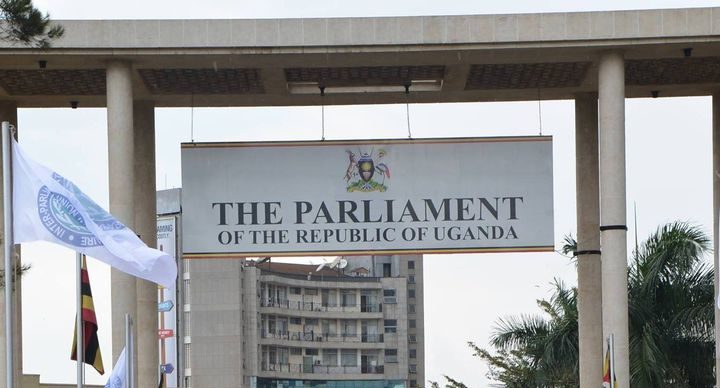
The Proposed bill read recently for the first time in Parliament seeks to regulate foreign influence in Uganda through stricter controls on foreign funding, mandatory registration of foreign agents, and penalties for individuals or entities deemed to act against national interests.
But The Attorney General, Kiryowa Kiwanuka, has defended the need to pass a law to protect Uganda’s sovereignty, saying even more developed democracies do it. The Chief Government Legal Advisor argues that the government is not starting from the beginning in its effort to curb foreign-funded lobbying.
He suggests that the new law should separate legitimate foreign influence, open and transparent, from covert, foreign influence, coercive, deceptive, or clandestine.
Kiryowa Kiwanuka insists that it will fill the gaps in the existing legislative network. He said Singapore, Australia, Canada, and the United States of America have similar legislation that the one government wants to be enacted.